Friday, August 21, 2015

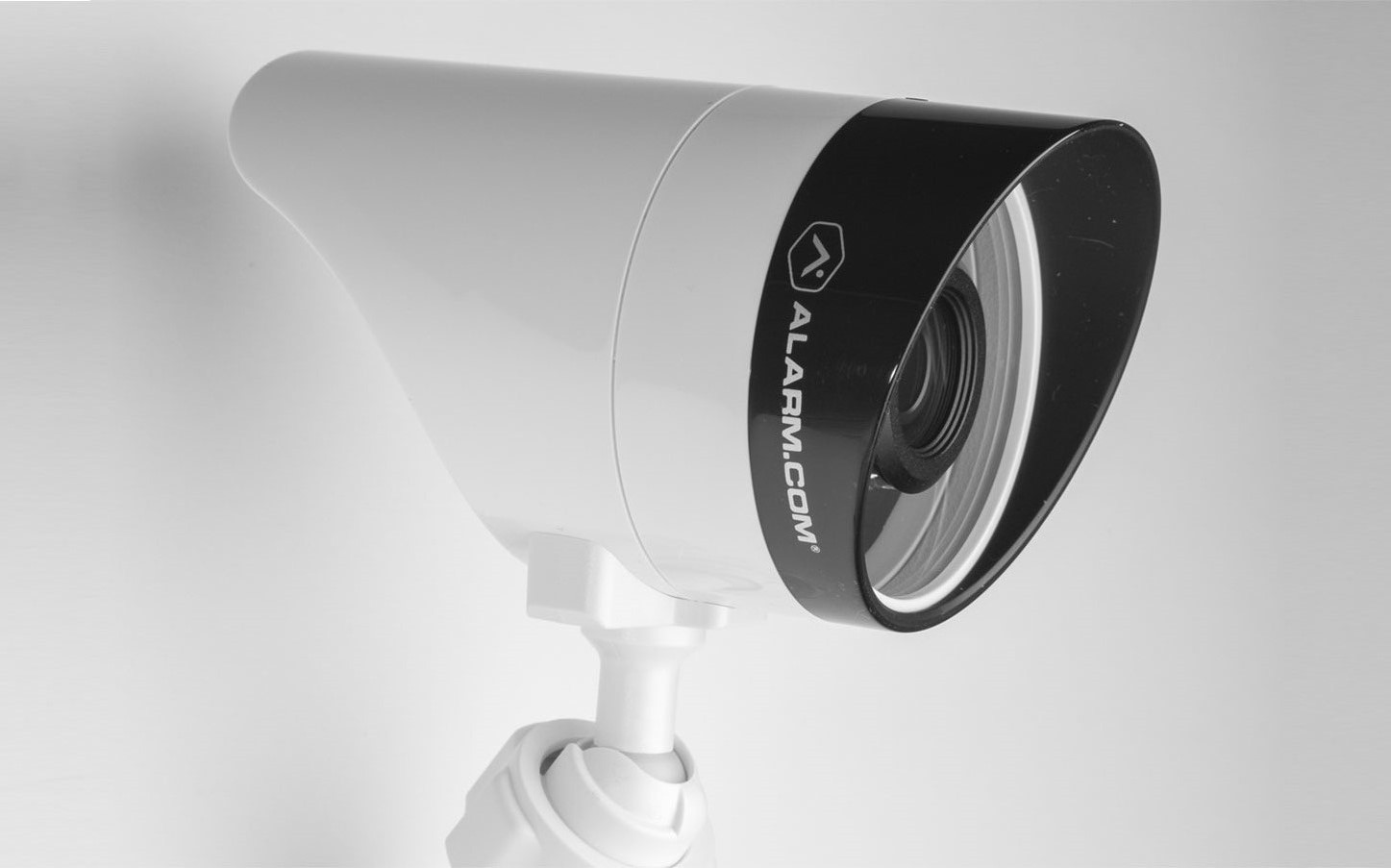
Security Cameras by Global Security and Alarm.com


How Secure Is That Security Camera?

Aug 06 2015
Connected video cameras are getting a lot of attention lately. They've become smaller and more powerful, and let you check in on your home anytime, from wherever you are. 

Are they really security cameras, though? 

If they're not provided by a security dealer and connected to a genuine security system, the answer is: probably not. Here's why. 

There's no monitoring service 

Imagine that there's a burglary at your house while you're out. Your standalone camera will capture the footage and alert you in real time! But what if you're out at dinner, or in the gym? Or taking a nap on vacation? Or on a plane? Even if you spot the alert within a few minutes, it's too late. 

That's why real security cameras are connected to a security system which connects in turn to a24/7 monitoring station. In the event of a burglary, trained security professionals assess the situation and can call the police. Meanwhile, the camera will automatically capture and securely store footage of what happened in the cloud. 

The camera is too vulnerable 

If your camera is badly positioned and easily unplugged, it's not a security camera. 

Installation makes a huge difference . A security camera installed by a professional can be mounted on a high wall or even out of sight. Positioning a camera in just the right place, to capture a broad range of activity, is critical. 

A security camera typically minimizes its power supply's vulnerability with tamper-resistant features such as in-wall wiring or battery power. Others include water and ice-resistant protection for use outdoors – after all, that's where burglaries start. 

It doesn't understand what's happening 

Security isn't just about catching something bad – it's about peace of mind. True security cameras, as part of a Smart Home Security system, enhance it. 

Part of this includes minimizing false video alerts by understanding context. 

An Alarm.com-powered security camera has access to context from the entire security system. It knows your arming status, door and window status. It knows if your smart lock is open, and who opened it. 

This makes it far more discerning when it comes to alerting you about activity. If you really need a video alert every time your front door opens, you can still get one. But if you just want a single daily alert when your kids get home from school, your security system will filter out everything else. It has the intelligence to figure it out. 

To find out more about Alarm.com's video security solutions, click here.   

Wednesday, August 5, 2015

Pre-Insulation Cleaning of a Copper Creek Home Camas WA


Copper Creek Homes Vacuums the entire home, removing all dust and debris at the same time the plates are caulked and the exterior outlets are foam sealed along with any holes coming from the outside of the home, this is all done before Insulation.

Monday, July 27, 2015

Gas Ranges vs Dual-Fuel Ranges

Gas Ranges vs Dual-Fuel Ranges

Gas Ranges vs Dual-Fuel Ranges
Most homeowners are familiar with gas and electric ranges. However, there are some lesser-known facts about dual fuel ranges, which consumers and professional chefs typically consider the best cooking appliances to invest in. Currently about half of Copper Creek Homes built in the last 2 years have Dual-Fuel Ranges installed in them.
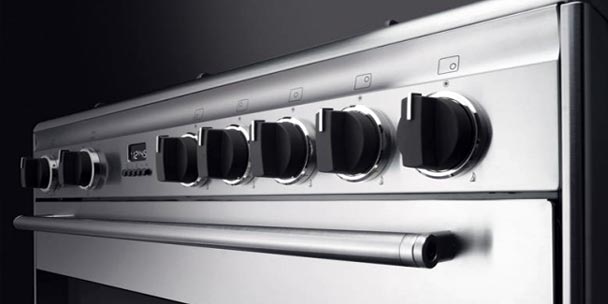
The difference between gas ranges and dual fuel ranges is pretty simple. Gas ranges heat the cooktop and the oven with gas. Dual fuel ranges heat the oven with electricity and the cooktop with gas.
Smeg Dual Fuel Range
The advantage of dual fuel ranges is to have the precise temperature control of electricity to heat the oven instead of the temperature fluctuations that often happens in gas ovens. A gas range could be the right choice for your home, or a dual fuel range could offer you the precision temperature control you desire.
Homeowners are faced with a tough decision when deciding to purchase a new range. Most of us only go through the process of buying a new stove once in our lifetime and have limited budgets. If you already have a gas line in your kitchen, or are considering having one installed, you may be weighing the options between purchasing a gas range or a dual fuel range.
In terms of upfront purchase price, a gas range will be a more affordable option compared to a dual fuel range. As a general rule, cooks who enjoy making entrees do not need the exact temperature control in a convection oven as much as cooks who enjoy baking.
Gas ovens will cook meats and vegetables correctly and evenly. But the hardcore baker will get more practical use from a dual fuel range and may be more likely to notice the difference between a regular gas range and a dual fuel range than the average at-home cook.
A true convection oven in a duel fuel range can make baking a joy, especially at high altitudes. Baking complex desserts is a science, and an exceptionally stable oven temperature can help home pastry chefs make perfect éclairs or tiered cakes.

Kitchenaid 30-Inch 5-Burner Dual Fuel Convection Slide-In Range with Baking Drawer


The Right Choice for Your Kitchen & Your Budget

In some cases, especially if you do a lot of baking, it might be worth investing in a more expensive dual fuel range. In others, a gas range will suit your cooking style perfectly. It is important to ask yourself a few questions before you make a decision:
  • How many nights a week do you actually cook (warming up leftovers does not count)?
  • Do you like to entertain guests and throw dinner parties frequently?
  • What do you cook and how often?
  • Do you plan on cooking more or less frequently in the near future?
  • Do you think savings after purchasing a gas range could be better spent elsewhere in the kitchen?
Just because you do not currently bake a lot or cook at home regularly does not mean that a dual fuel range would be a waste of money. It might be perfect for the times you go all out in the kitchen, or it might give you the incentive and extra edge you need to stop going out as much and cook at home more often. Take time to think about what you really need and what matters most, and invest in the perfect type of range for your household.

www.coppercreekhome.com

Heatnglo Slim Line Fireplace a Standard in all our homes.


SlimLine fireplaces fit where others don’t. Slender profiles with slim, flexible venting options offer an array of unique installation possibilities. TR models offer full flames, authentic log sets and moderate warmth. TRS models provide greater heat output and enhanced flames with an upgraded ceramic burner, brick interior and detailed log set.
  • 16,900 – 30,800 BTUs
  • 36-inch viewing area (28, 32 and 42-inch viewing areas also available)
  • Multiple fronts, finishes and mantel options for a unique style
  • Choose TR or TRS models for different options; detailed brick interiors, an upgraded burner, enhanced flames or increased heat output


Wednesday, June 3, 2015

The Anatomy of the Smart Home

Pacific Northwest Lawn-Care Calendar and Lawn Maintenance Tips


Pacific Northwest Lawn-Care Calendar and Lawn Maintenance Tips

Regular lawn maintenance is the key to a healthy stretch of grass. This lawn care calendar tells you what you need to do and when to do it in the Pacific Northwest.

Get your mower ready: Make sure your lawn mower is ready before you need to use it. Bringing it in before the start of the lawn maintenance season will ensure you won't have to wait along with everyone else in your neighborhood. Note: Don't overlook sharpening your mower's blade. For the cleanest cuts -- and healthiest-looking lawn -- sharpen the blade at least once a year.
Start a new lawn from seed: Fall is the best time to sow seed for a new lawn. If you can't get to it at the end of season, spring is the next best time. Don't wait too long; your lawn needs to get established before summer arrives and lawn maintenance season begins.
Prevent crabgrass from being a problem: Annual weeds, such as crabgrass, grow from seed each spring. One of your lawn maintenance steps should include a well-timed application of pre-emergence herbicide to stop them from growing at all. A good guideline is to spread the pre-emergence herbicide as forsythia blooms in your area start to drop.
Aerate compacted soil: Most lawns have trouble growing in compacted soil (many weeds, unfortunately, thrive in it). If you need to or want to aerate, do so as a part of your lawn maintenance schedule in spring -- when your grass is actively growing.
Begin mowing: Allow your grass to grow no more than 3 inches tall before you start mowing. The best general rule to follow is that you want to keep most grass types at least 2 inches tall -- this height helps the grass ward off weeds and withstand summer drought. But you don't want to remove more than a third of the total grass height at any one mowing. Removing too much stresses the grass.
Apply fertilizer: If you feed your lawn a couple times a year, a light application of lawn fertilizer in spring helps get your grass off to a great start. Wait to fertilize until your lawn needs mowing for the first time. Do a light application and use a slow-release or organic fertilizer; don't try to feed your lawn for a quick green-up; this doesn't usually work and can harm your grass.
Attack grubs: If lawn grubs are an issue in your lawn, prevent further damage by applying grub-control product that continues to work throughout the season. The best time to do this is during lawn maintenance duties in early June.
Mow as needed: Because most grasses in this region like it cool, they won't grow as fast when temperatures go over 80 degrees F. During hot, dry periods, it may only need mowing once every two or three weeks (wait for it to grow about 3 inches tall). In cooler, moister weather patterns, mow enough to keep it from getting more than 3 inches tall -- that could be every week or more than once a week.
Water wisely: Skip the lawn maintenance task of watering in the summer and allow your grass to take a nap during hot, dry weather if you don't mind it turning brown. When the rains come again, it'll go green and start growing again. If you don't like the look of a brown lawn, select drought-tolerant types such as buffalograss or plan on giving your lawn about 1 inch of water a week.
Fall feedings: If you only fertilize as part of your lawn maintenance once a year, autumn is the best time to do it. In fact, your lawn would appreciate a light application of fertilizer in early fall and again in late fall.
Aerate: If you didn't aerate in spring and your lawn needs it, fall is a great time. Don't overlook the importance of aerating. It'll help your lawn thrive.
Continue mowing: As temperatures cool, your lawn will grow faster again. Keep mowing as part of your regular lawn maintenance through the end of the season.
Fall cleanup: Clean up fallen leaves. If you don't want to spend time raking them, run your lawn mower over your lawn two or three times. This will chop the leaves into fine pieces; they quickly decompose and add to your soil's structure. Or rake up and compost the fallen leaves.
Overseed your lawn: Most Pacific Northwest lawns will have cool-season grasses, so autumn the best time to overseed or grow a new lawn from scratch. Plan carefully; your new grass needs at least a month before your first average first frost so it can get established.

Attack perennial weeds: Most perennial lawn weeds, such as dandelions and ground ivy, are most susceptible to attack in fall. Treat them as part of your lawn maintenance with a broadleaf herbicide (there are chemical and organic choices available) or pull them by hand.

This article brought to you by Better Homes and Garden.

www.coppercreekhome.com